


REGULATORY LANDSCAPE
CropLife Latin America and the network of Associations maintain a proactive dialogue with regulatory authorities, farmers, academia and other sectors to promote and defend regulations based on scientific evidence that allow access to agricultural technologies. Essential topics to advance towards agricultural sustainability.
This interactive map shows the most important advances and challenges in 2025


2026 INTERACTIVE MAP ON REGULATION









Argentina streamlines registration processes
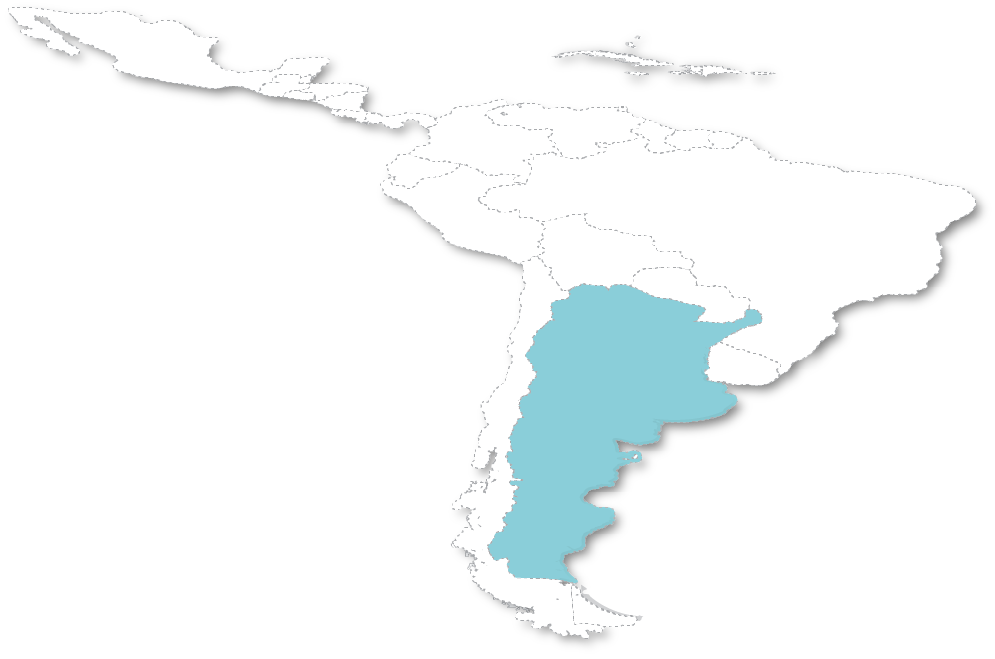
The National Service for Agrifood Health and Quality (SENASA) enacted Resolutions 458/25 and 843/25 to streamline the registration process for crop protection products. The regulations introduce changes such as:
• Recognition of registrations granted by countries with high sanitary oversight, reducing regulatory duplication and facilitating access to innovation.
• A three-year transition period to comply with the Globally Harmonized System (GHS), providing predictability for labelling and classification updates.
For implementation, SENASA published the Procedural Guide for the Management of Crop Protection Products, available on its institutional portal, standardising technical and administrative criteria.za criterios técnicos y administrativos.
Uruguay begins digitalisation of registrations
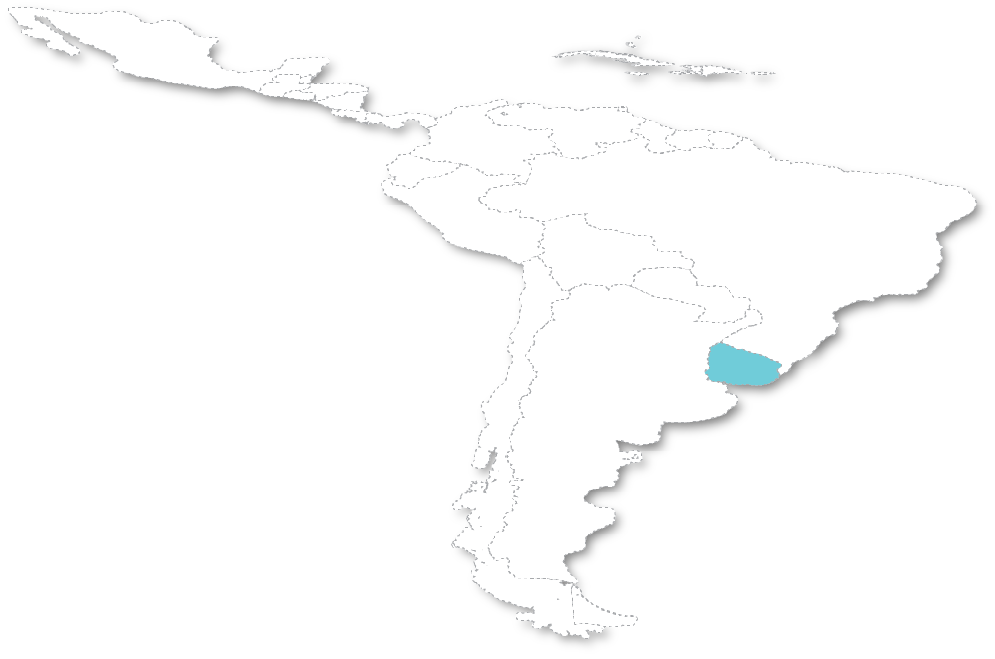
This step towards regulatory modernization is achieved through the launch of the IT System for the Registration of Agricultural Crop Protection Products.
• Pilot phase: January–February 2026
• Full implementation (new registrations): from March 2026
Full digitalization will allow greater traceability, reduced administrative timelines and improved interaction between authorities and the private sector.
This process reflects the trend towards digital regulatory models that strengthen transparency and efficiency.
Chile reviews evaluation processes
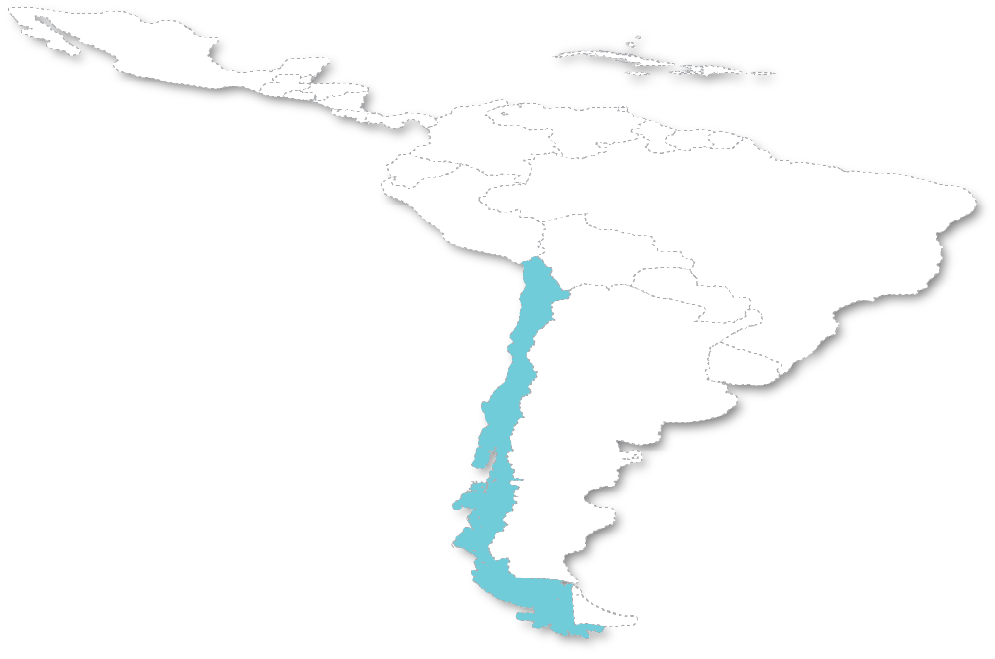
A recently established public–private working group aims to review the methodology for evaluating crop protection products, seeking to:
• Analyse current technical criteria.
• Identify opportunities to improve timelines and predictability.
• Strengthen technical dialogue between authorities and the sector.
This mechanism represents a collaborative regulatory governance model in the region.
Chile advances implementation of the Apiculture Law
The regulation focuses on:
• Protection and traceability of apiaries.
• Coordination between farmers and beekeepers.
• Strengthening responsible crop protection application practices.
This regulatory development directly impacts productive coexistence schemes and pollinator protection.
Extension for re-evaluation in BOLIVIA and PERU
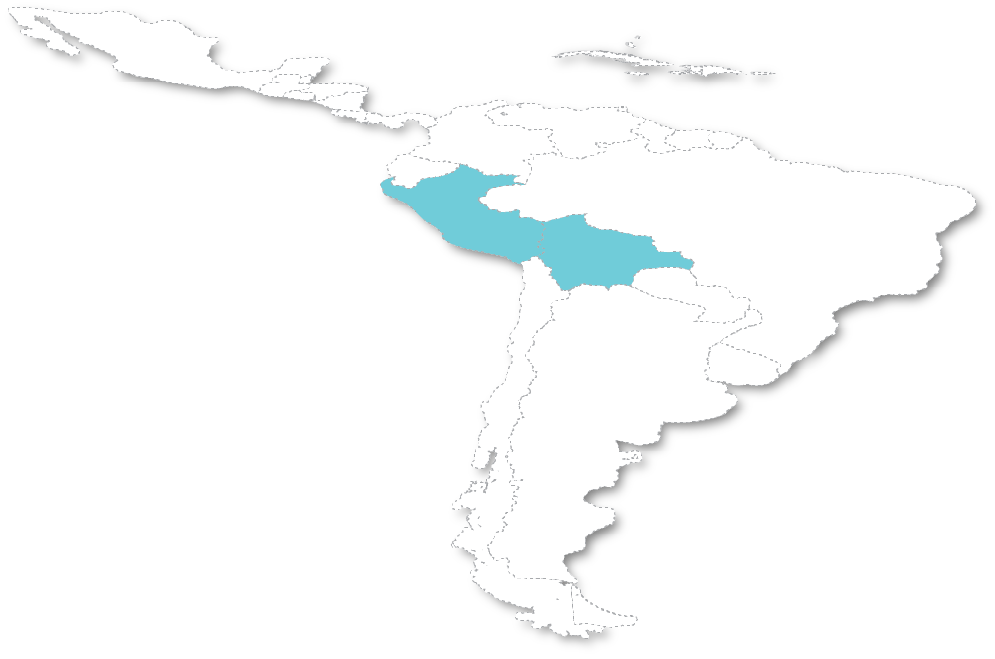
The Andean Community published Decision 843, granting Bolivia and Peru an exceptional three-year extension to complete the re-evaluation of all agrochemicals registered prior to the entry into force of Decision 436.
This decision recognizes differences among countries and facilitates harmonisation processes.

Andean platform to identify prohibited pesticides
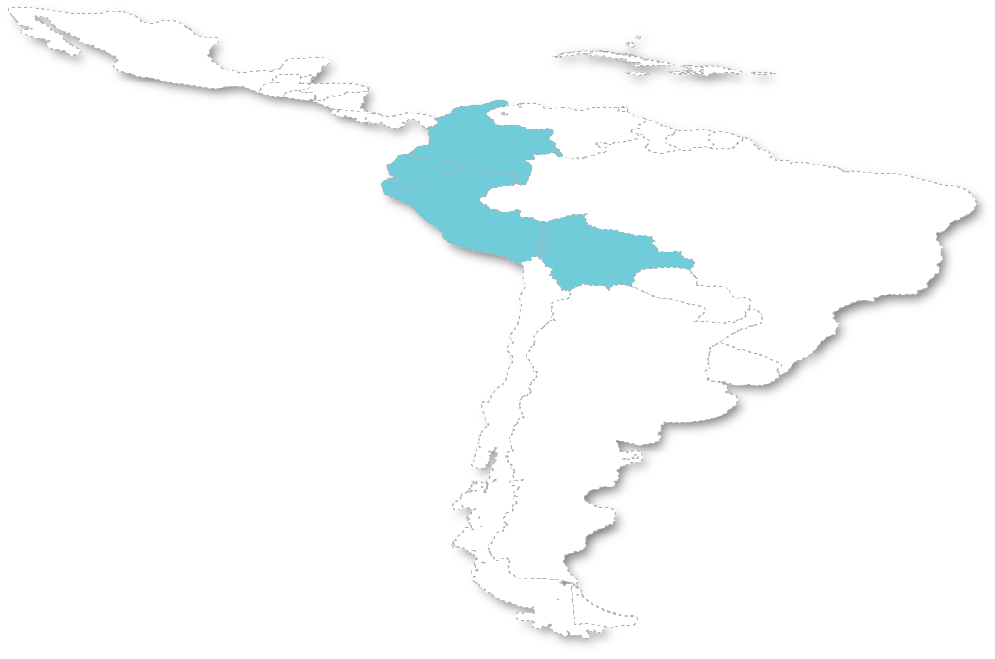
The General Secretariat of the Andean Community launched a regional digital platform consolidating information on agricultural chemical pesticides that have been banned or cancelled in the four member countries.
The tool
• Facilitates information exchange among authorities.
• Reinforces regulatory harmonisation..
• Increases transparency in regulatory decision-making.
This development strengthens the Andean regulatory framework.
Independent validation of aquatic risk models
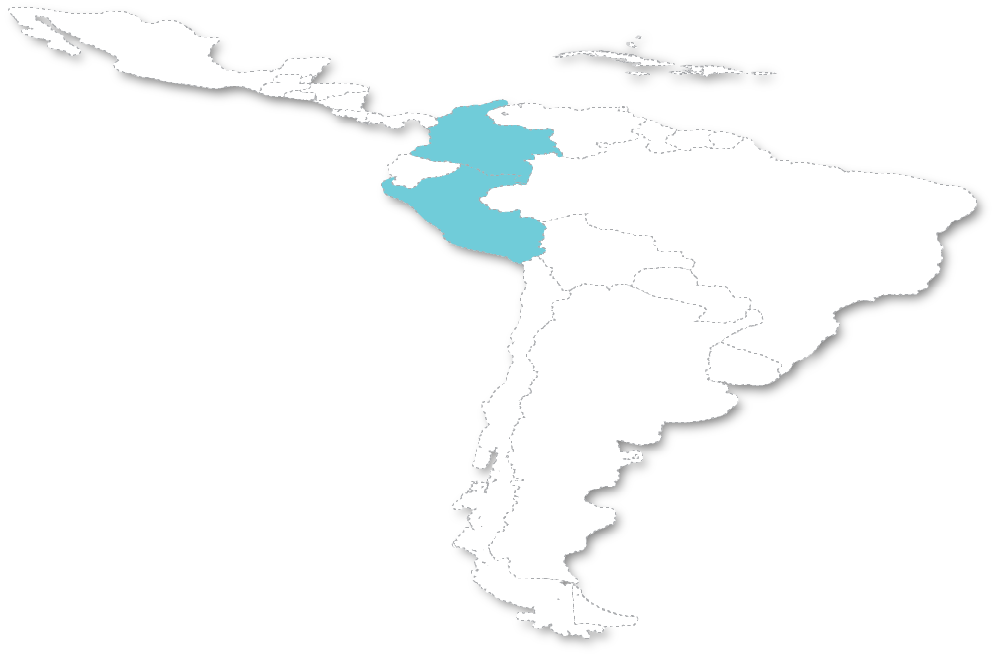
Dr Keith Solomon and Dr Rómulo Penna Scorza were commissioned by CropLife International to conduct an independent review of the Andean Aquatic Screening Tool (AAST).
The technical opinions issued were favourable and will be shared with authorities in Peru and Colombia to validate its relevance as an environmental risk assessment tool.
Independent scientific backing strengthens the model’s technical credibility and contributes to risk-based regulatory decisions.
Regulatory improvement in the Andean region
Procultivos (Colombia), CultiVida (Peru) and CropLife Latin America are engaging with authorities to promote regulatory frameworks that allow:
• Minor formulation adjustments (co-formulation changes).
• Updates to Maximum Residue Limits (MRLs).
• Modifications to Pre-Harvest Intervals (PHIs).
• Updates to shelf life or complementary technical information.
These proposals focus on facilitating technical updates that do not alter the product’s risk profile.
Active ingredient review in Mexico
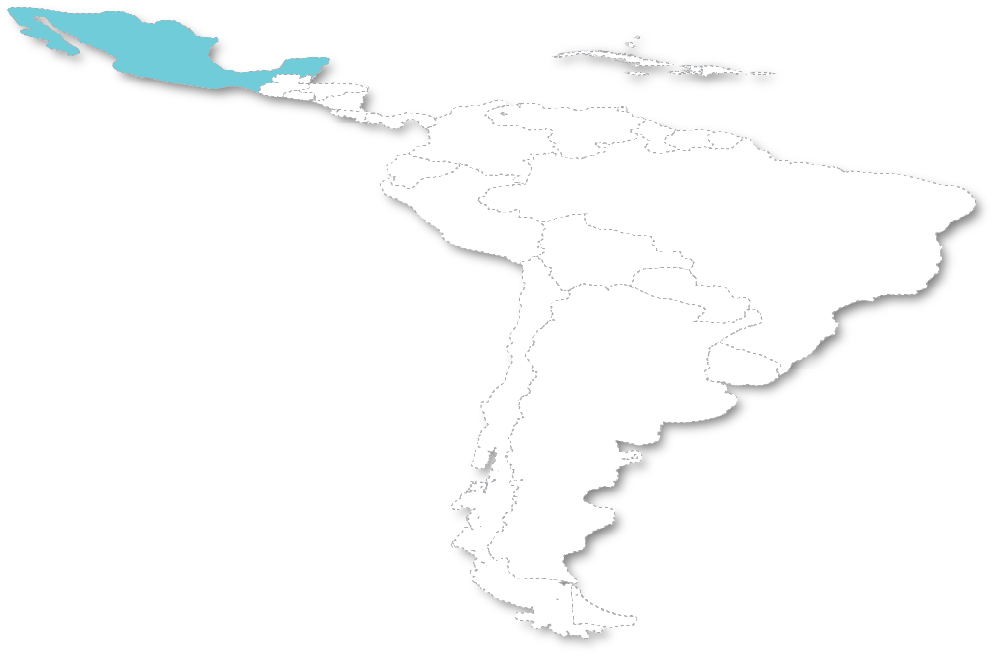
In 2025, the Mexican government issued a decree updating pesticide registrations, cancelling 35 substances whose production, import and use were prohibited. This measure forms part of the National Strategy for the Reduction and Proper Use of Pesticides, developed through inter-institutional coordination with private sector participation.
The measure requires accelerating the approval of substitute active ingredients to ensure farmers’ access to next-generation molecules.
Water risk analysis in Costa Rica
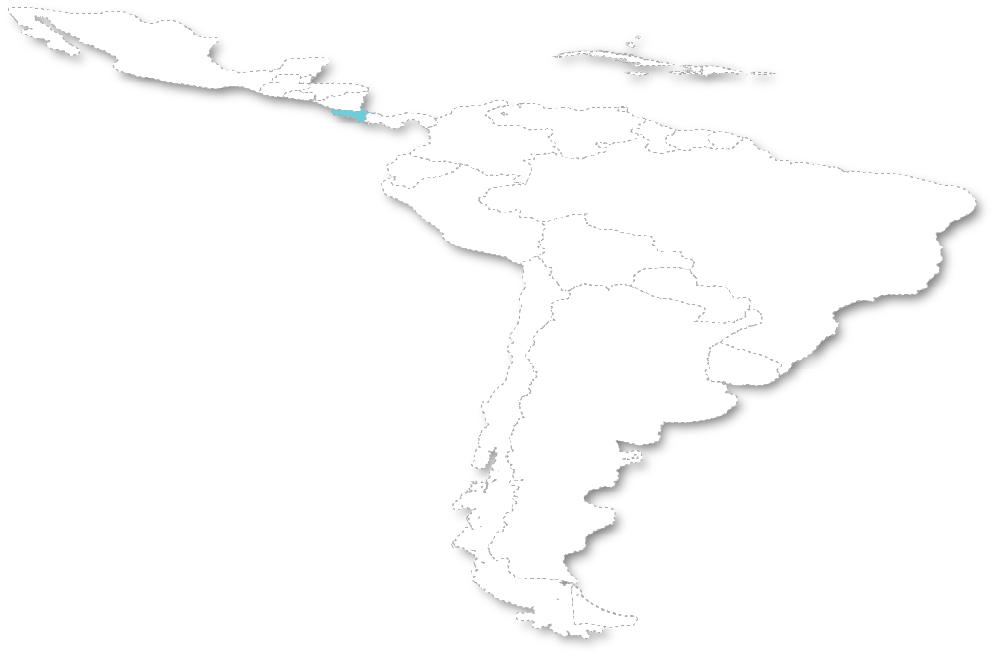
The government issued a decree modifying standards for determining drinking water quality, establishing risk analysis as the basis for defining acceptable pesticide residue values.
This decree provides a more balanced, science-based approach, avoiding hasty restrictions or bans while protecting health without limiting agricultural production.
Registration “Update” process continues in Costa Rica
The deadline for pesticide re-registration expires again in May 2026. Less than half of the process has progressed due to its complexity.
An extension will be necessary once again; otherwise, farmers may lose access to essential pest control tools, as most products would automatically lose marketing authorisation.
Honduras: New government, new regulation
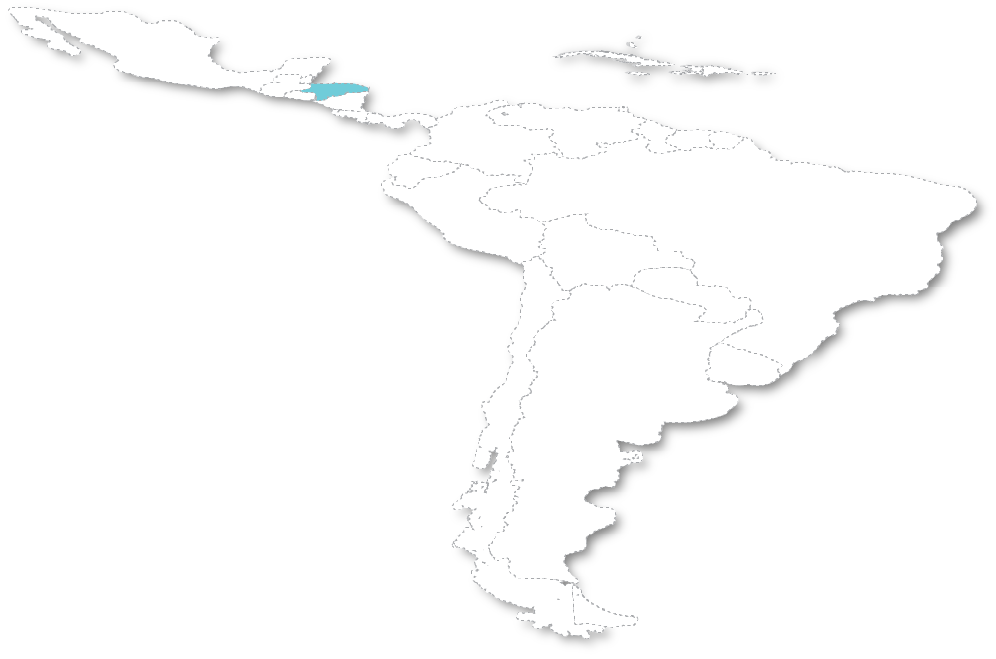
The industry advocates reforming the current pesticide registration regulation to align with national capacities and enable greater farmer access to next-generation crop protection tools.
Panama: Bans on the horizon
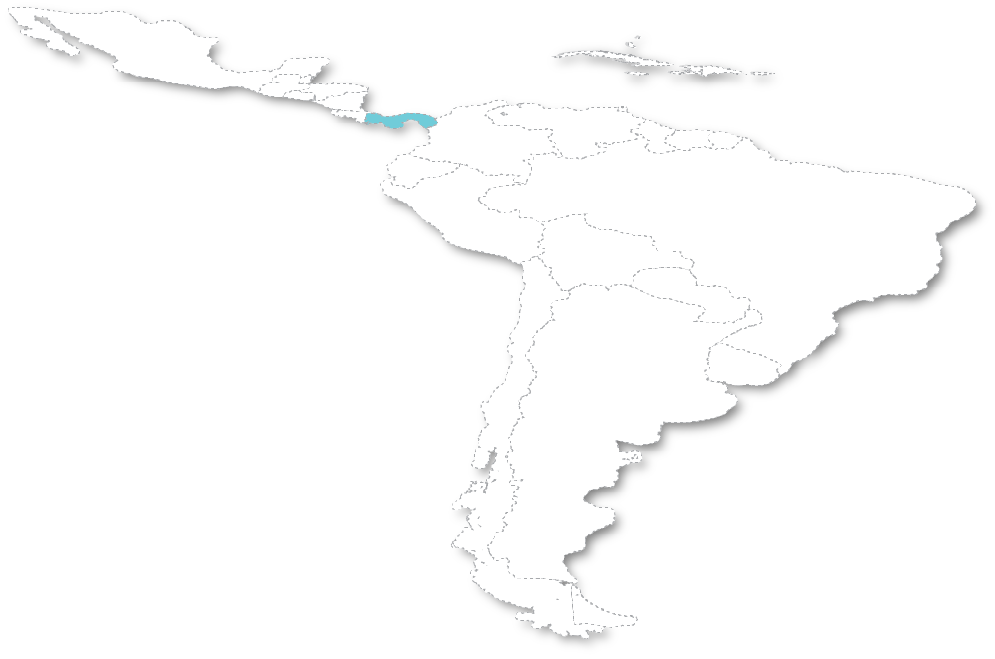
In late 2025, Panamanian agricultural authorities proposed banning 37 molecules. Following public–private dialogue, the list was reduced to eight.
However, the Ministry of Environment maintains a draft bill to ban all so-called “highly hazardous pesticides” without a clear definition.
Panama breaks the monopoly on efficacy studies
Authorities will allow third parties to conduct efficacy trials required for pesticide registration. Previously, only a state institution could perform these studies, causing delays and high costs.
The industry proposes that independent Panamanian experts conduct studies and that research from countries with similar agro-climatic conditions be recognised.
El Salvador: New pesticide registration regulation
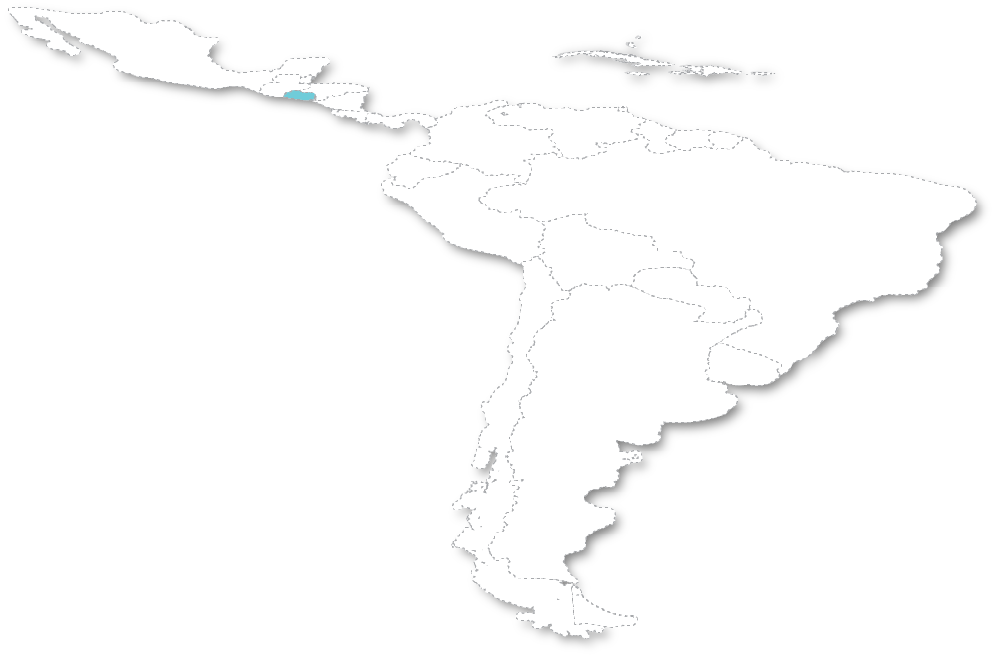
Following the enactment of a new Plant Health Law, the government is preparing a pesticide registration regulation to implement it. Public consultation is pending.

Central America: Regulatory harmonisation pending
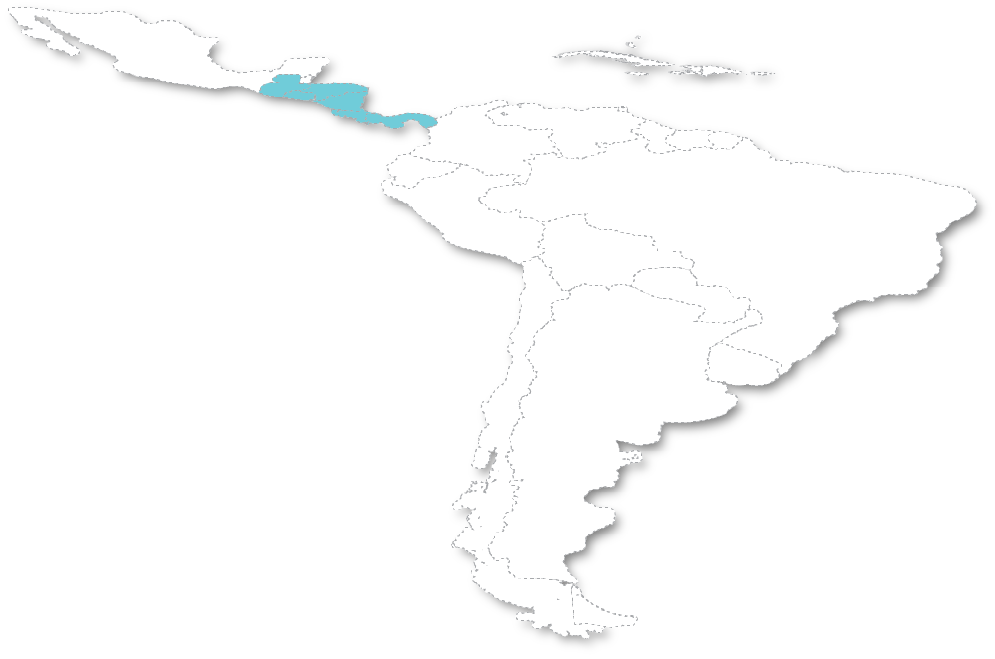
IICA collaborated with Central American countries in drafting three new Technical Regulations for biological pesticide registration, MRL establishment and synthetic pesticide registration.
CropLife Latin America is working with local associations to promote broad discussion and ensure genuine regulatory improvement.

GMOs and Genome Editing approvals in Central America
Seven genome-edited (GeD) products have been authorised and declared conventional after completing consultation processes. Honduras leads with three banana events; Costa Rica approved one soybean, two banana and one tomato event.
Five strategic GMOs were also approved for cotton, maize and pink pineapple seed production.
Regulatory optimisation in Costa Rica
Costa Rica implemented an administrative simplification procedure for GMOs in 2025, accelerating approvals when technologies are technically and biologically equivalent to events with a safe-use history.
This regulation optimises response times by allowing accelerated approvals when the technology is technically and biologically equivalent to events that already have a history of safe use in the country.
Brazil: Historic record in crop protection approvals
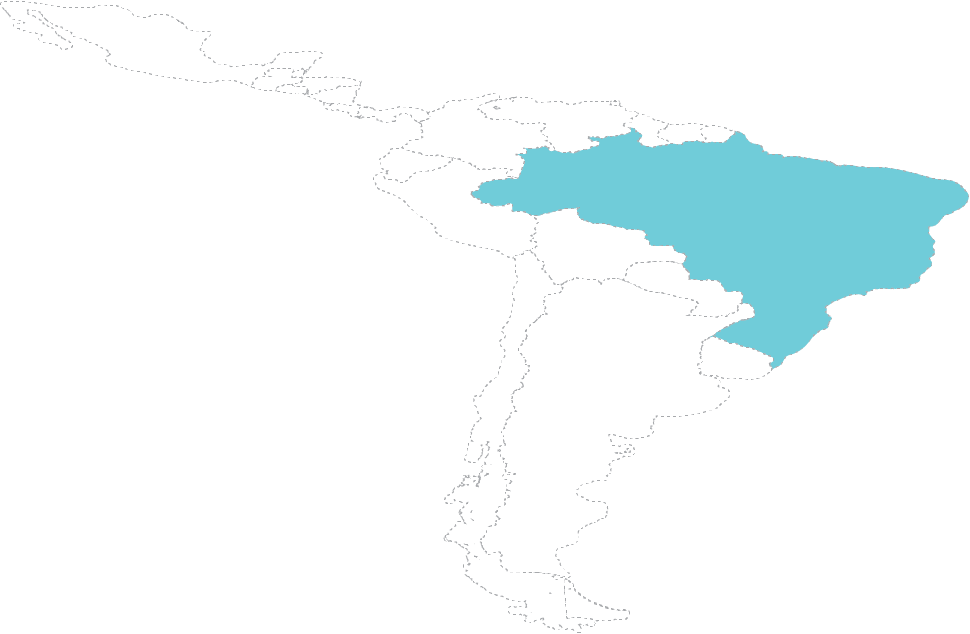
Under the new Pesticide Legal Framework (Law 14.785/2023), Brazil approved 912 new registrations in 2025.
These included 427 formulated products, 323 technical products and 162 biological products.